Compare Local Contractors for Earthwork Grading Projects
Compare local contractors for earthwork grading to define your project scope, verify experience, and establish clear expectations in writing.
Earthwork grading services encompass a range of tasks aimed at preparing a property’s land for construction, landscaping, or drainage improvements. This work typically involves leveling the ground, shaping slopes, excavating or filling soil, and ensuring proper drainage pathways. Proper grading helps create a stable foundation for structures, prevents water pooling, and enhances the overall usability of the property. When planning this type of work, property owners should clearly define the scope of the project, including specific areas to be graded, desired elevations, and any site-specific considerations. Having a detailed scope ensures that contractors understand the expectations and can deliver results aligned with the property’s needs.
Defining the scope of earthwork grading projects is essential for selecting the right service provider and avoiding misunderstandings. A well-outlined scope includes details about the size and shape of the area, the types of soil or materials involved, and any particular site constraints or access considerations. This clarity helps property owners compare local contractors effectively by reviewing their experience with similar projects and understanding the methods they plan to use. Additionally, a clear scope allows property owners to verify that contractors are capable of meeting the project’s requirements and to set written expectations that serve as a reference throughout the work process.
When evaluating local contractors for earthwork grading, property owners should consider their experience with comparable projects and their familiarity with local soil conditions and regulations. It’s beneficial to ask for references or examples of past work to assess the quality and reliability of each service provider. Comparing how contractors approach scope, communicate plans, and outline their methods can help property owners identify those best suited to handle the specific demands of their project. By focusing on experience, clarity in scope, and the ability to provide detailed, written plans, property owners can make informed decisions and select a contractor capable of delivering results that meet their expectations.
Compare local contractors by outlining project priorities, verifying experience, and clearly defining scope and expectations in writing.
- Compare Contractor Experience - Review the backgrounds of local contractors to ensure they have relevant earthwork grading expertise.
- Define Project Scope Clearly - Specify the extent of grading work to set realistic expectations with service providers.
- Verify Credentials and References - Check references and previous projects to assess the quality of local contractors.
- Document Work Details in Writing - Establish clear agreements on scope, responsibilities, and expectations before work begins.
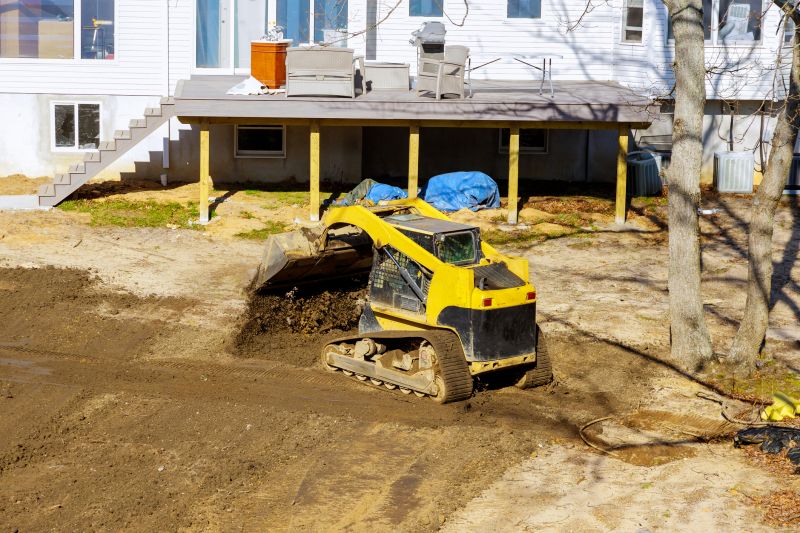
Before comparing earthwork grading contractors, clearly describe your project scope and verify their experience and written expectations.
- Verify experience and references of contractors handling earthwork grading projects. - Ensure service providers clearly define the scope of work and grading specifications in writing.
- Assess the contractor’s understanding of site conditions and soil types relevant to earthwork grading. - Confirm that contractors have the appropriate equipment and techniques for your project’s requirements.
- Check that contractors follow proper site preparation and excavation procedures to prevent future issues. - Review the proposed grading plan to ensure it aligns with your site’s drainage and landscape needs.
- Ensure contractors provide detailed written estimates outlining materials, methods, and project deliverables. - Confirm that safety protocols and environmental considerations are addressed in the project scope.
- Compare multiple local contractors to evaluate their experience, scope clarity, and communication style. - Make sure all project expectations and responsibilities are documented before work begins.
- Request proof of insurance and licensing, if applicable, to protect against potential liabilities during earthwork grading.
Compare local contractors’ experience and clarify project scope to ensure clear expectations in writing.
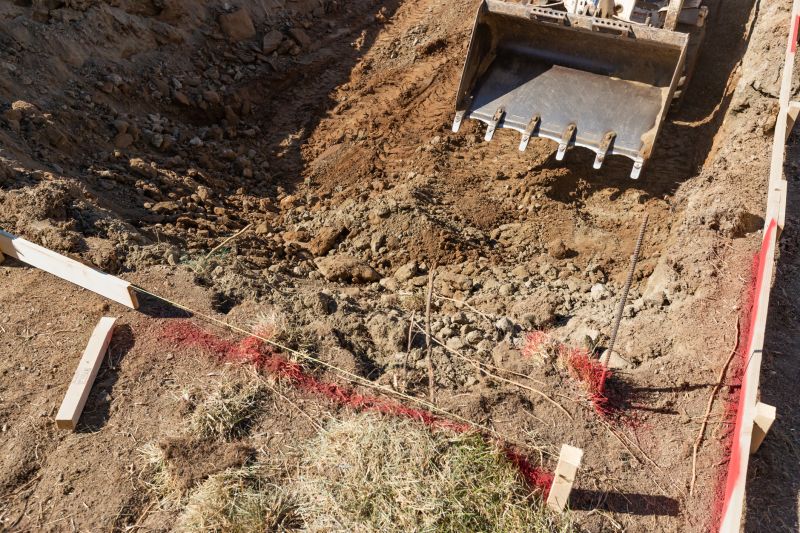
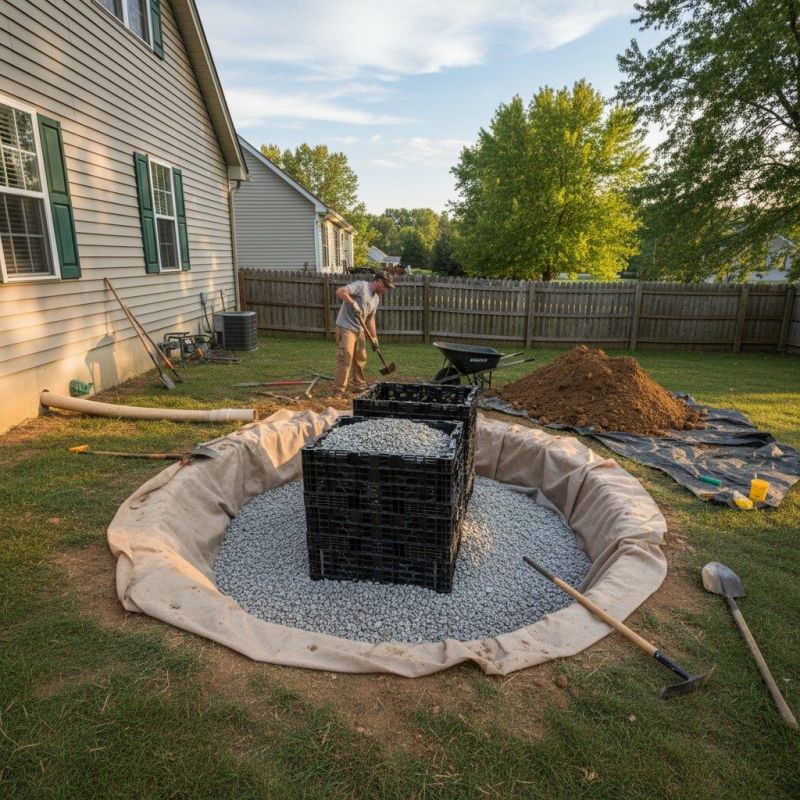
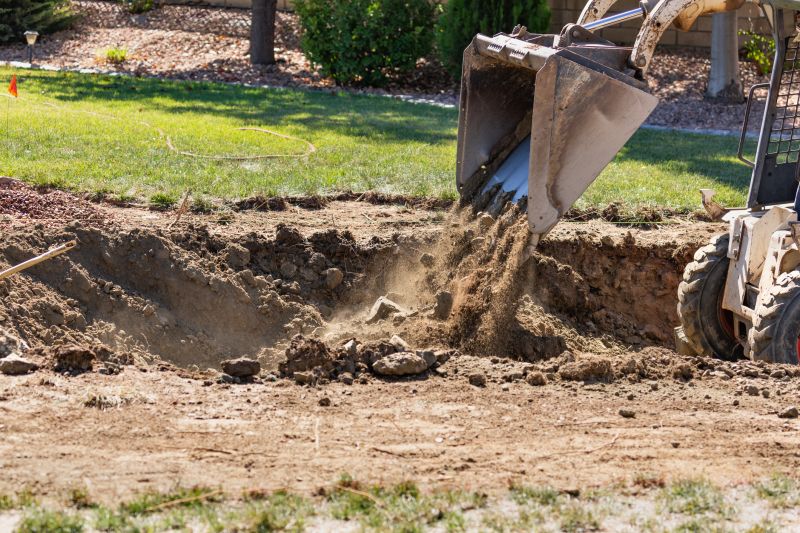
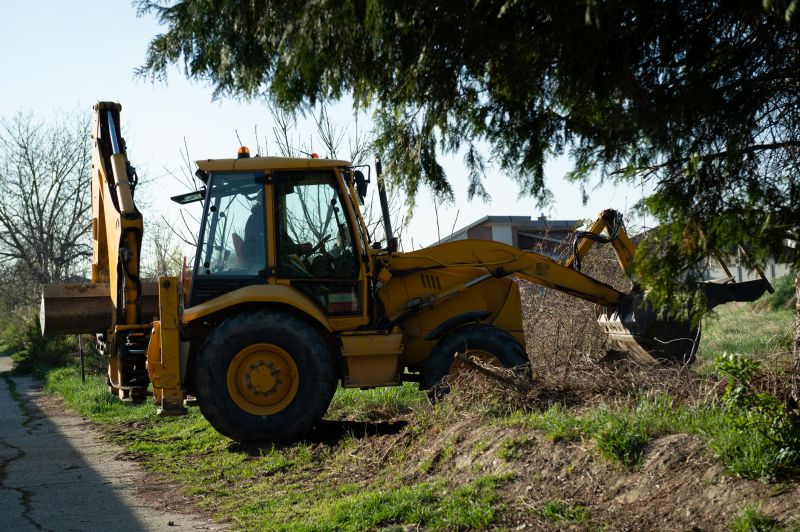
Compare earthwork grading contractors carefully to ensure scope consistency, verify experience, and establish clear written expectations.
- Scope Definition - Clearly specify the extent of earthwork grading required to ensure alignment with project goals.
- Experience Verification - Confirm that local contractors have relevant experience with similar grading projects and site conditions.
- Equipment and Methods - Identify the types of equipment and grading techniques that will be used to meet project specifications.
- Site Access and Conditions - Assess site accessibility and existing conditions that could impact grading work and planning.
- Written Expectations - Document all scope details, responsibilities, and deliverables in writing to facilitate clear communication.
When evaluating contractors for Earthwork Grading, it is essential to consider their experience with projects similar in scope and complexity to the work at hand. Inquire about the types of sites they have worked on and the specific grading tasks they have completed. A contractor with a history of handling comparable projects can provide insights into their familiarity with site challenges and the techniques they employ, helping to ensure that their approach aligns with the project's requirements.
A clear, written scope of work is a critical component of a successful earthwork grading project. The scope should detail the specific tasks to be performed, the extent of grading, site preparation, and any necessary site improvements. Having this information in writing helps set clear expectations and provides a basis for evaluating the contractor’s proposal. It also facilitates communication and reduces the risk of misunderstandings or scope creep as the project progresses.
Verification basics involve assessing a contractor’s background and methods to ensure they are capable of delivering quality results. This includes reviewing their experience with similar projects, understanding their approach to site assessment, and confirming they follow industry standards for earthwork practices. Asking for references or examples of completed work can provide additional assurance. It’s also helpful to discuss how they plan to verify site conditions and ensure the work meets project specifications throughout the process.
When comparing options among local contractors, focus on the clarity of their scope, their experience with comparable projects, and their approach to verification and quality control. Carefully review written proposals to ensure they specify the work to be done and the methods to be employed. Consider how well each contractor understands the site conditions and whether their project approach aligns with the goals of the project. By emphasizing these factors, homeowners can make informed decisions based on the contractor’s expertise, communication, and planning practices, leading to a more predictable and successful earthwork grading process.
Ask contractors to provide written scope details to ensure clarity and consistency throughout the project.
- Experience and References - What relevant earthwork grading projects have local contractors completed recently?
- Scope of Work - How clearly do the contractors define and document the specific tasks included in the grading project?
- Equipment and Techniques - What methods and machinery do local service providers plan to use to ensure the scope is met?
- Project Expectations - How will the contractors handle potential challenges or scope changes during the earthwork process?
- Communication and Clarification - What steps do local contractors take to ensure scope details are understood and agreed upon in writing?
How can I compare earthwork grading contractors effectively? Comparing local contractors involves reviewing their experience, checking references, and verifying their scope of work to ensure they meet project needs.
What should I consider when defining the scope of earthwork grading? Clearly outlining the project requirements, including site preparation, grading levels, and specific tasks, helps contractors understand expectations and provide accurate proposals.
How can I verify a contractor’s experience with earthwork grading? Request details about past projects similar in scope, ask for references, and review any available portfolios or project descriptions to assess their expertise.
Why is it important to get everything in writing for earthwork grading projects? Having a written agreement that specifies scope, expectations, and responsibilities helps prevent misunderstandings and provides a clear reference throughout the project.
What questions should I ask potential earthwork grading contractors? Inquire about their experience, methods, equipment used, and how they plan to handle potential challenges on the site.
How can I ensure a contractor is suitable for my earthwork grading project? Evaluate their experience, verify references, review their scope of work, and confirm that they understand your project requirements before making a decision.
Understanding the key aspects of earthwork grading projects can help ensure a successful outcome. Visitors have learned how to define the scope of work clearly, verify the experience of local contractors, and set expectations in writing to facilitate smooth communication. Comparing different service providers allows for informed decisions and helps identify the best options for specific project needs.
To find the right earthwork grading contractor, use the quote form to connect with qualified local service providers. This process enables straightforward comparison of options, making it easier to evaluate which contractors align with the project requirements. Exploring local contractors through this tool can assist in making well-informed choices for your earthwork grading needs.